Pricing
Cost of Solar in Nigeria: How a Fair Quote Is Built
A plain-language guide to how solar systems are priced in Nigeria — the six cost layers, what drives the final number up, and the line items dishonest quotes quietly leave out until after deposit.
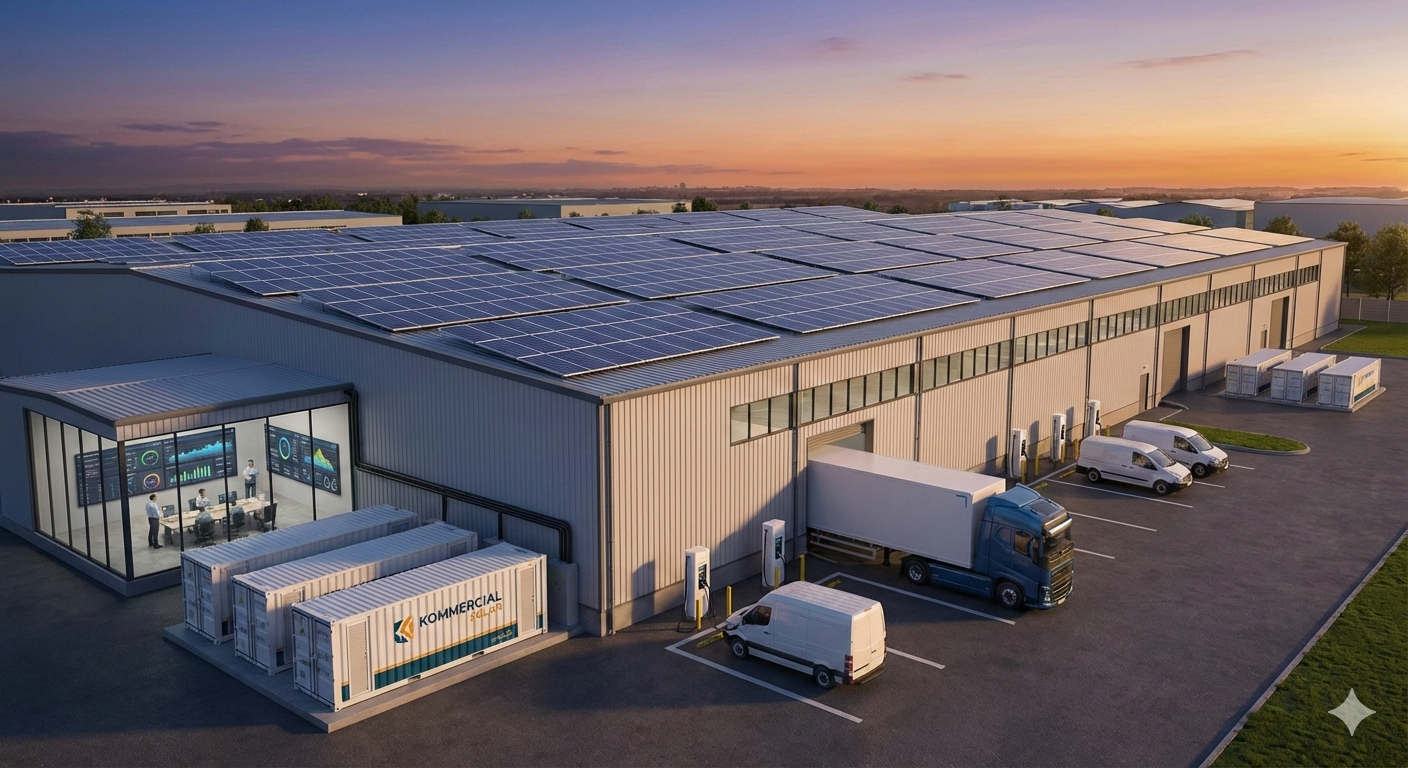
Solar pricing in Nigeria moves with the naira, import tariffs, and battery technology. We don’t publish naira figures here because any number printed today is stale next week — but we can give you the real cost structure, the component-by-component breakdown, and the line items dishonest quotes quietly leave out until you’ve already signed.
What a Nigerian solar system is actually made of
Every residential or commercial system is built from the same six layers. Understanding what each one does makes it easy to read a quote and spot the places installers cut corners.
| Layer | Typical share of total cost | What it is |
|---|---|---|
| Lithium battery | 40–55% | LiFePO4 pack, battery management system, rack or wall-mount |
| Hybrid inverter | 15–22% | Inverter with solar MPPTs, battery charger, grid + generator input |
| Solar panels | 12–18% | Monocrystalline, tier-1 or strong tier-2 |
| Mounting + cabling + conduits | 5–8% | Rail, clamps, DC/AC cable, trays |
| Protection | 3–5% | DC breakers, surge protectors, enclosure — the components that save your inverter in a storm |
| Design, labour, commissioning, warranty, margin | 12–20% | Installation, testing, handover, documentation, and the installer being there in year 3 |
What drives Nigerian solar prices up
- FX rate on the day of import. Panels, inverters, and batteries are almost all imported. A naira slip of 10% can add 6–8% to a project ordered that week.
- Battery capacity is the biggest lever. Doubling battery capacity can add 30–45% to total cost; doubling panel count adds 10–15%. Size the battery honestly against overnight load, not against anxiety.
- Roof type and access. Long cable runs, metal-truss factories, and multi-storey buildings add real install cost.
- Generator integration. Wiring a hybrid inverter cleanly into an existing generator + ATS adds work but prevents inverter damage from generator voltage spikes. Skipping it is how many Nigerian inverters die before year 3.
- Estate approval + drawings. Most Lagos estates require single-line diagrams and management sign-off. A serious installer bills that properly rather than smuggling it into the schedule.
The line items dishonest quotes leave out
- Surge protection (SPDs). Nigerian grid surges and lightning kill unprotected inverters every rainy season.
- DC breakers between panels and inverter. Non-negotiable for safe maintenance.
- Earthing / grounding kit. Often skipped in cheap quotes.
- Monitoring hardware and app setup.Without it, you don’t know what the system is actually doing day to day.
- Commissioning and documentation. The paper trail your warranty depends on.
How to read a Nigerian solar quote fairly
Ask for the quote to be itemised, with brand and model on every major component — panel brand and wattage, inverter model, battery brand and chemistry (it should be LiFePO4, not generic lithium-ion), mounting system, SPDs. Compare line by line, not total vs total.
If an installer refuses to name brands until after deposit, treat that as a red flag. See our checklist for spotting fake solar panels and inverters in Nigeria.
Related reading
- Solar vs diesel generator: payback math for Nigerian businesses
- Lithium batteries in Nigeria: sizing, cycle life, warranties
- Is solar worth it after Band A? Band-by-band ROI
- 5kVA solar system in Nigeria: what it powers
- 10kVA solar system in Nigeria: specs and appliances
Frequently asked questions
What drives the price of a Nigerian solar system up or down?
The three biggest cost drivers are battery capacity (lithium is typically 40–60% of the bill), panel count and brand tier, and installation complexity — roof access, cable runs, generator integration, and estate drawings. The naira-to-dollar rate on the day of import also moves prices materially because panels, inverters, and batteries are all imported.
Is a cheap solar quote a bad sign?
Usually yes. The most common ways to cut a quote are undersized batteries (which fail fast in Nigerian cycling), relabelled or counterfeit panels, no-name inverters without local support, and skipping protective components like surge protectors and DC breakers. Always compare quotes line by line, not just the total.
What determines the right system size for my home or business?
Load — not square footage. The honest process is: list every appliance you want to run, note its wattage and how many hours a day you run it, sum the daily kWh, and size the panels to replace that number with enough overhead for cloudy days. Battery sizing is driven by overnight loads plus a day of autonomy.
How do I get a clear price for my site?
Share your load profile (appliances, run hours, generator fuel bill if you have one) with the Kommercial Solar team. We return an itemised quote — brand and model on every component — within a few working days.
Should I pay for solar in CAPEX or lease it?
CAPEX is the cheapest long-term option in Nigeria today because lease rates reflect FX risk. If cash flow is tight, phased build-out — start smaller, expand panels and battery later — is usually better than a lease. Kommercial Solar designs systems to be expandable.