Pricing
Is Solar Worth It in Nigeria After Band A? A Band-by-Band Guide
Band A tariff changed the solar question for Nigerian homes. A plain-language guide to how payback thinking differs for Band A, B, C, D, and E customers — and the rare cases where solar isn't the answer.
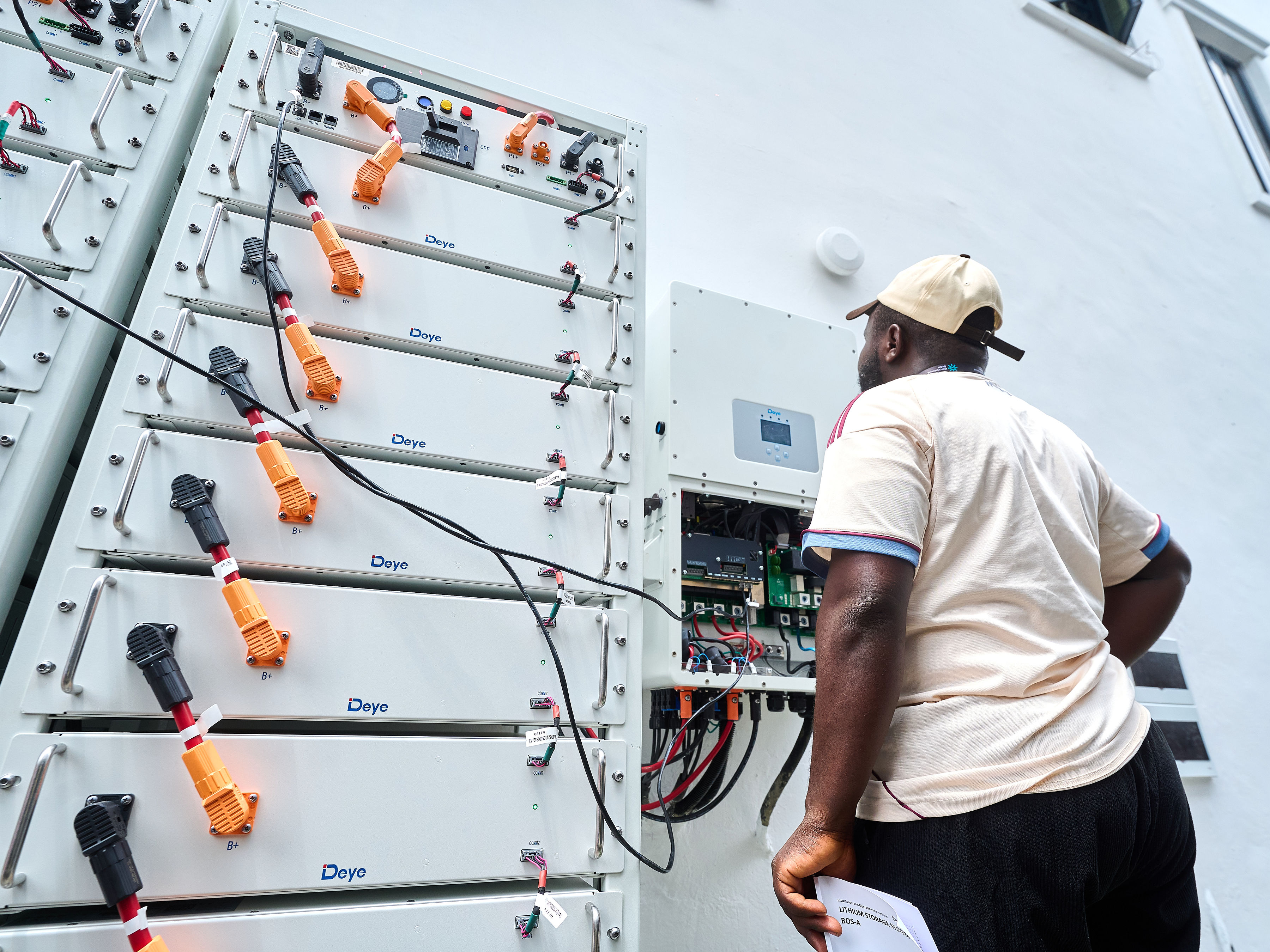
NERC’s Service-Based Tariff places every Nigerian electricity customer in a band — A through E — based on the hours of supply the disco is contracted to deliver. Band A customers pay the highest per-kWh rate but are promised the most hours. For many households, that trade reshaped the case for solar overnight. Here’s how the decision changes by band, with no price figures — just the logic.
What the bands actually mean for solar
- Band A— promised 20+ hours of grid per day, highest tariff. If you are on Band A, you’re paying commercial-grade rates for every kWh. Solar’s per-kWh cost advantage is largest here.
- Band B — promised 16–20 hours, mid-high tariff. Solar still wins economically; payback is slightly longer than Band A.
- Band C — 12–16 hours, lower tariff. Reliability value from a battery often matters more than per-kWh savings on the grid portion.
- Band D / E — 8 hours or fewer. Your effective per-kWh cost is dominated by whatever you run during outages — typically a diesel or petrol generator. Solar competes against that fuel cost, not against the official tariff, and the win is usually dramatic.
Three questions that decide the switch
- How many hours of power do you actually get? Not the promised band hours. What the meter sees. This is the gap solar fills.
- How many hours do you run a generator? Multiplied by generator kW, this is your current off-grid cost base.
- What does your load profile look like during the day? Daytime loads fit solar natively; pure overnight loads need a bigger battery.
Band A: why the math flipped
Before the Band A tariff adjustment, Nigerian grid power was cheap enough that solar’s payback depended almost entirely on displacing generator diesel. Band A brought grid prices up to a level where solar now wins on straightforward grid displacement, before counting any generator savings. That is why Band A households quote payback in years, not decades.
When solar does not fit — honestly
- Very low usage, no generator. A single-person apartment running lights, a fan, and a phone charger will struggle to make the capex make sense.
- Bad roof. Shade, structural weakness, long cable runs, or no mounting area.
- Short-term tenancy.If you’re moving in two years and the landlord won’t buy the system from you on exit, wait.
How we assess your band-and-site fit
Send the Kommercial Solar teama photo of your recent electricity bill (band + monthly kWh), a note on your generator fuel pattern if you run one, and a quick load list. We model payback for your actual site and come back honestly — including a “not yet, wait” answer when that’s the truth.
Related reading
- Cost of solar in Nigeria: how a fair quote is built
- Solar vs diesel generator in Nigeria: the payback framework
- Hybrid solar in Nigeria: solar + battery + grid + generator
Frequently asked questions
What is Band A in Nigeria's electricity tariff?
Band A is the top tariff band set by NERC for customers promised at least 20 hours of supply per day. Band A customers pay the highest per-kWh rate on the grid. Lower bands (B, C, D, E) pay progressively less and are promised progressively fewer hours of supply.
Does solar make more sense for Band A customers?
Yes. Band A customers pay a higher tariff for grid electricity, which makes solar's per-kWh cost advantage larger and the payback faster. Many Band A households also still experience outages below the promised 20-hour threshold, which makes solar + battery valuable for reliability on top of the cost savings.
Is solar worth it for Band D or E customers?
The economics are less clear-cut. Lower-band tariffs are cheaper per kWh, but lower-band customers typically also get far fewer hours of grid supply, which means they are already paying for diesel or petrol generation most of the time. If you are running a generator daily, the comparison is against diesel per kWh, not grid per kWh — and solar wins that comparison in almost every case.
When does solar NOT make sense in Nigeria?
Very low electricity usage with no generator use, no roof access or heavily shaded site, or a short-term tenancy where you can't take the equipment with you. In all three cases the honest answer is to wait, not to force a system.
How does Kommercial Solar check whether my site is a good fit?
We request a recent electricity bill (band + monthly kWh), a generator fuel pattern if you run one, and a quick load list. From those three inputs we model payback and recommend either a system size or, if it's not a fit yet, say so honestly.