Battery storage
Lithium Batteries in Nigeria: Sizing, Cycle Life, and Warranty Guide
How to size a LiFePO4 battery for a Nigerian home, what cycle life means in real years, and the three warranty clauses that separate a 10-year battery from a 2-year one.
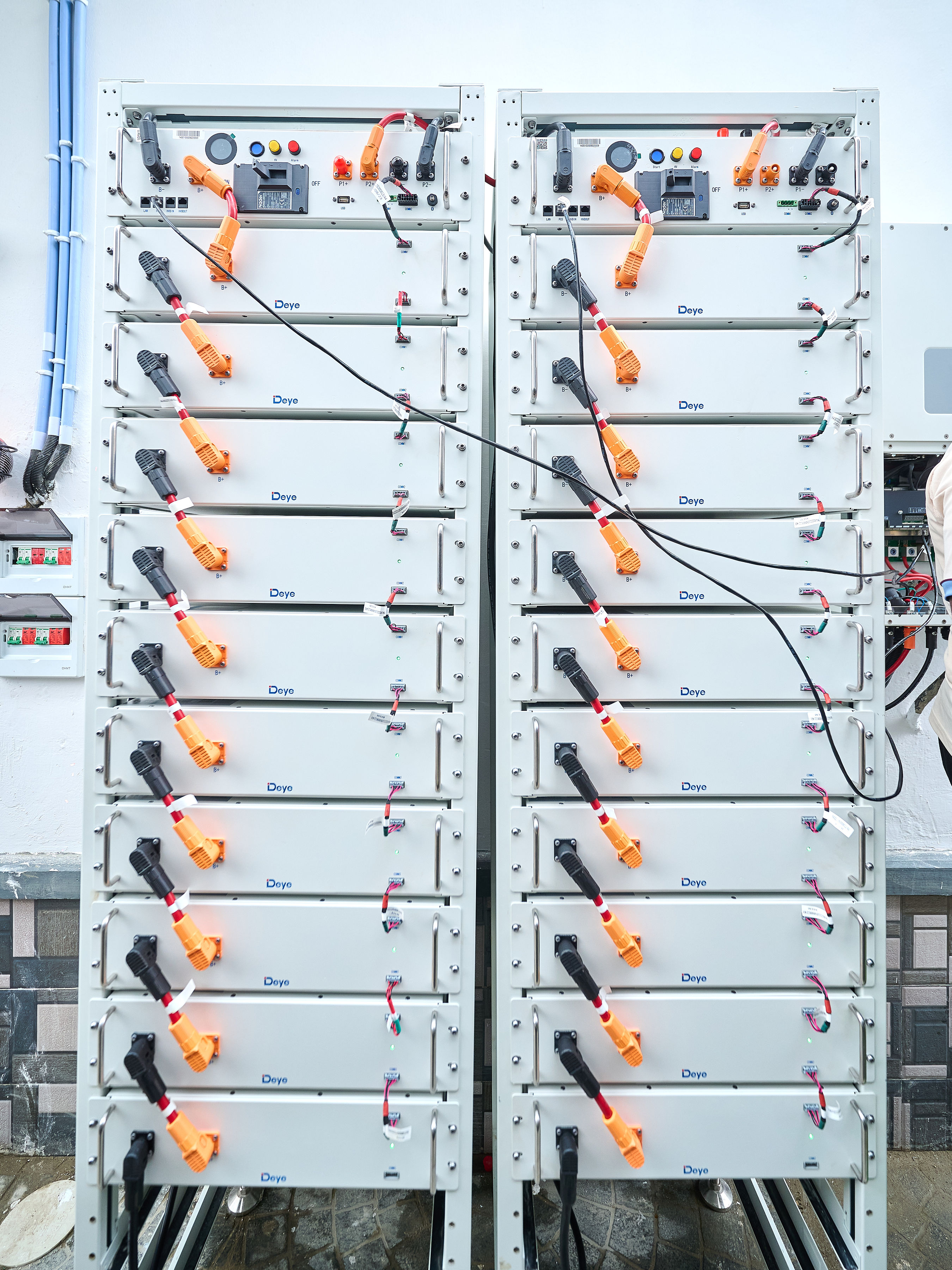
The battery is the most expensive single component of a Nigerian solar system — and the one buyers most consistently get wrong. Battery prices move with the naira and with manufacturing trends, so we won’t pin a specific number here. What we will do is show you the structure: how to size the pack for your actual load, what cycle life means in real years, and the three warranty clauses that separate a 10-year battery from a 2-year one.
How to size a lithium battery for a Nigerian home
- List overnight loads. Fridge, freezer, fans, LED lights, phone chargers, maybe one AC for a few hours.
- Total overnight kWh.For most 3-bed Nigerian homes that’s 6–10 kWh between 10pm and 7am.
- Divide by usable depth-of-discharge. LiFePO4 is safely ~90% usable; so 8 kWh overnight × 1.1 ≈ a 10 kWh pack.
- Add 20% headroom for a cloudy day and for battery aging — size for the battery you want in year 5, not year 1.
Battery capacity vs what it covers
| Capacity | Typical format | Best fit |
|---|---|---|
| 2.5 kWh | Wall-mount, 48V | Small apartment backup, essentials only |
| 5 kWh | Wall-mount or rack | 2–3 bed home, 1-day autonomy on essentials |
| 10 kWh | Stacked modules or single pack | Larger home, small office |
| 15 kWh | Rack cabinet | Multi-AC home, clinic, shop |
| 20 kWh | Rack cabinet | Large home, SME |
| 30+ kWh | Commercial cabinet | Shops, factories, mosques, churches |
Cycle life is the number that matters
Battery marketing uses cycle count as a shorthand for lifespan. A cycle is one full charge-plus-discharge. At one cycle per day:
- 3,500 cycles ≈ 9.5 years
- 6,000 cycles ≈ 16.4 years
- 10,000 cycles ≈ 27 years
Buy 6,000+ cycle LiFePO4 only.Anything sold as “lithium” without the chemistry stated, or rated for 2,000 cycles or fewer, is a cost trap. In Nigerian conditions where the battery is cycled daily, it will die in 3–4 years.
The three warranty clauses to insist on
- Years AND cycles.“10 years” alone can mean “until 2,000 cycles are hit” — which may be year 3 of daily use. Insist on 10 years and 6,000 cycles.
- End-of-life capacity.A proper warranty says “≥ 70% of rated capacity at end of warranty.” Without that clause, the warranty only covers total death.
- Manufacturer-direct serial registration.Battery serial must register on the manufacturer’s portal, not just on a reseller’s PDF. This is how you catch relabelled or grey-market packs.
Why the cheapest battery is usually the most expensive
The number that matters is cost per usable kWh over the battery’s life. A cheap pack dying in three years ends up delivering far fewer kWh per naira spent than a quality LiFePO4 pack running past year ten — before you count the labour and downtime of replacement. Sticker price lies. Lifetime cost tells the truth.
Related reading
- Cost of solar in Nigeria: full price breakdown
- 5kVA solar system in Nigeria
- 10kVA solar system in Nigeria
- Beware fake solar panels and inverters: buyer checklist
Frequently asked questions
How long do lithium batteries last in Nigeria's climate?
A well-sized LiFePO4 battery rated for 6,000+ cycles delivers 10+ years of daily service in Nigerian conditions, assuming correct ventilation and depth-of-discharge sizing. Cheap or overworked batteries often fail at year 2–3 — the chemistry is not the problem, honest sizing is.
Why is LiFePO4 better than lead-acid or tubular batteries for Nigerian homes?
LiFePO4 is lighter, lasts 3–4× longer, can discharge deeper safely, charges faster, requires no watering, and doesn't off-gas. The upfront price is higher than tubular, but the cost per usable kWh over its lifetime is roughly half.
What warranty should I insist on for a lithium battery in Nigeria?
Insist on a 10-year warranty with a stated end-of-life capacity (typically ≥ 70% at 6,000 cycles), issued against the manufacturer's serial number, not the local reseller's PDF. Confirm the serial on the manufacturer's online portal before signing off.
What size battery do I need for my home?
Size it against overnight load, not total daily load. Most 3-bed Nigerian homes need 6–10 kWh between 10pm and 7am. Divide by usable depth-of-discharge (LiFePO4 is safely ~90%) and add ~20% headroom for cloudy days and battery aging. That gives you the right capacity.
Why are cheap lithium batteries often the most expensive in the long run?
Because cost per usable kWh over the battery's life is what matters, not sticker price. A cheap pack rated for 2,000 cycles that dies in 3 years costs far more per usable kWh than a LiFePO4 pack rated for 6,000+ cycles that lasts 10+ years — before counting replacement labour and downtime.