Buying guide
10kVA Solar System in Nigeria: Specs, Appliances, and Sizing
A 10kVA system covers a large 3–4 bedroom home, a small office, or a mid-sized shop. Full appliance-load map, battery capacity options, and sizing decisions.
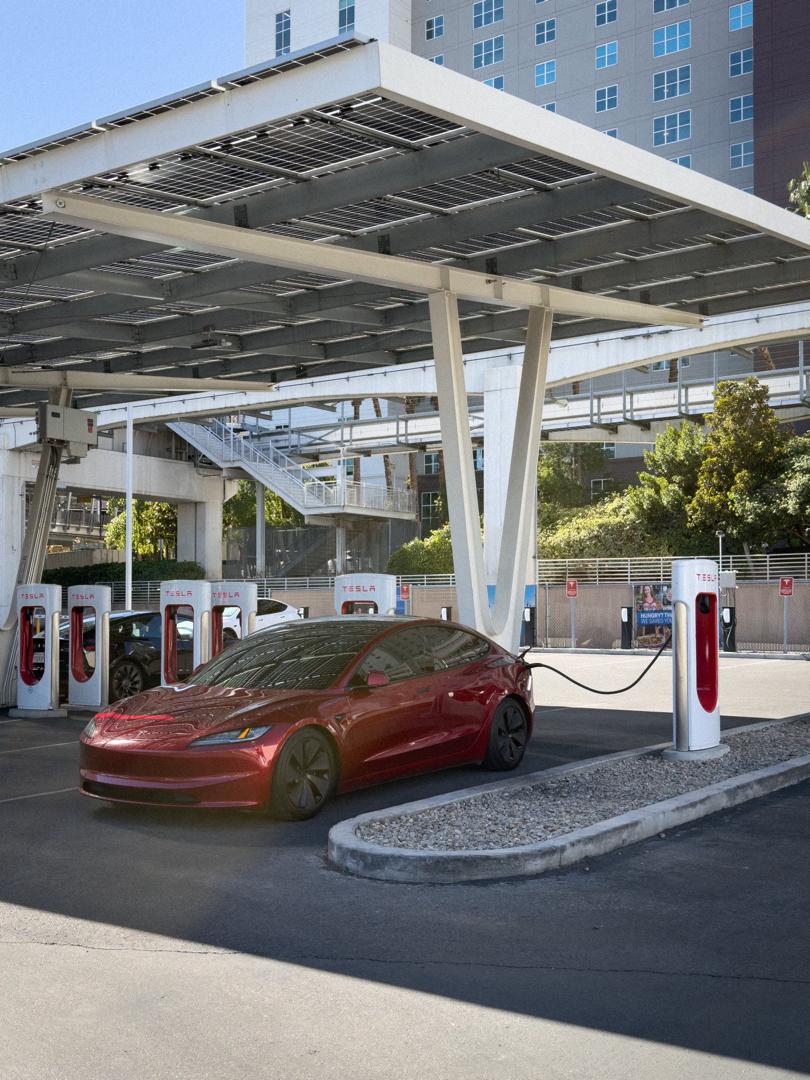
The 10kVA system is the sweet spot for larger Nigerian homes and smaller businesses. It handles multiple ACs, home-office loads, and enough comfort headroom to feel like a genuine upgrade from grid dependence. Here’s what it powers, how to size the panels and battery, and the decisions that shape your final configuration.
What a 10kVA inverter actually means
10kVA is the apparent-power rating of the inverter — roughly 8,000W of continuous usable power on resistive loads. On a Nigerian site, that lets you run two 1.5HP inverter ACs, a fridge, a freezer, lighting, a water pump, and office equipment simultaneously without stressing the inverter.
Appliance load map: what fits under a 10kVA system
| Appliance | Running watts | Notes |
|---|---|---|
| Lights, fans, chargers, TVs | ~700 W | Background all day |
| Fridge + freezer | ~350 W avg | Cycles on and off |
| 1.5HP inverter AC × 2 | ~2,400 W | Comfortable simultaneous use |
| 2HP inverter AC × 1 | ~1,800 W | Fits |
| Water pump | ~1,000 W peak | Short run |
| Microwave / kettle | ~1,800 W | Scheduled bursts |
| Washing machine | ~500 W | |
| Home office (desktop + monitors) | ~400 W |
Panels for a 10kVA system
A 10kVA installation in Nigeria typically runs 10–16 panels in the 550W class. For homes that want to minimise generator use, we tilt toward the higher count, which cuts battery depth-of-discharge on cloudy days and extends battery life.
Battery for a 10kVA system
- 10 kWh LiFePO4 — overnight essentials in a larger home.
- 15 kWh LiFePO4 — overnight ACs + comfort loads.
- 20 kWh LiFePO4 — comfortable autonomy through a cloudy day, longer AC overnight runtime.
Who the 10kVA system is right for
- 4-bedroom homes with multiple ACs.
- Small offices (10–15 people, server, printer).
- Boutique retail shops.
- Small clinics and dental practices.
- Mosques / churches with daytime operation and cooling.
- Short-let apartments where comfort is the differentiator.
When to size up instead
- Three or more 2HP ACs running simultaneously.
- Industrial motors with high start-up current.
- EV charging alongside home use — we usually recommend a dedicated circuit at that point.
- Large office buildings or commercial sites — see commercial & industrial solar.
Related reading
- 5kVA solar system in Nigeria: when 5kVA is enough
- Lithium batteries in Nigeria: sizing guide
- Solar for small business in Nigeria
Frequently asked questions
What does a 10kVA solar system power in a Nigerian home?
A 10kVA system comfortably runs a 4-bedroom home — multiple ACs (two 1.5HP units simultaneously), fridge, freezer, home office equipment, water pump, and comfort loads. It's also the entry point for small offices, clinics, and retail shops.
Can a 10kVA system run three air conditioners?
Yes, if those ACs are 1HP to 1.5HP inverter units and the other loads are reasonable. Three 2HP non-inverter ACs at once will push the limit of a 10kVA inverter — that's 15kVA territory.
How many solar panels does a 10kVA system need?
Typically 10 to 16 solar panels in the 550W class, depending on daily energy demand, roof orientation, and shade. For sites that want to keep a generator largely off, we specify toward the higher count.
What size battery pairs with a 10kVA inverter?
Common pairings are 10 kWh, 15 kWh, or 20 kWh of LiFePO4 capacity. 10 kWh covers overnight essentials for a larger home; 15–20 kWh adds comfort loads and buffer for cloudy-day mornings.
Is 10kVA enough for a small business?
For a small office (10–15 people), a boutique retail shop, a small clinic, or a mosque/church that needs daytime operation, 10kVA is usually the right size. Larger C&I sites step up to 20kVA, 30kVA, or project-scale installations.