Comparisons
Solar vs Diesel Generator in Nigeria: The Payback Framework
A line-by-line framework for comparing solar+battery against a diesel generator for a Nigerian business — the 4 variables that decide the win, when solar beats diesel, and when it doesn't.
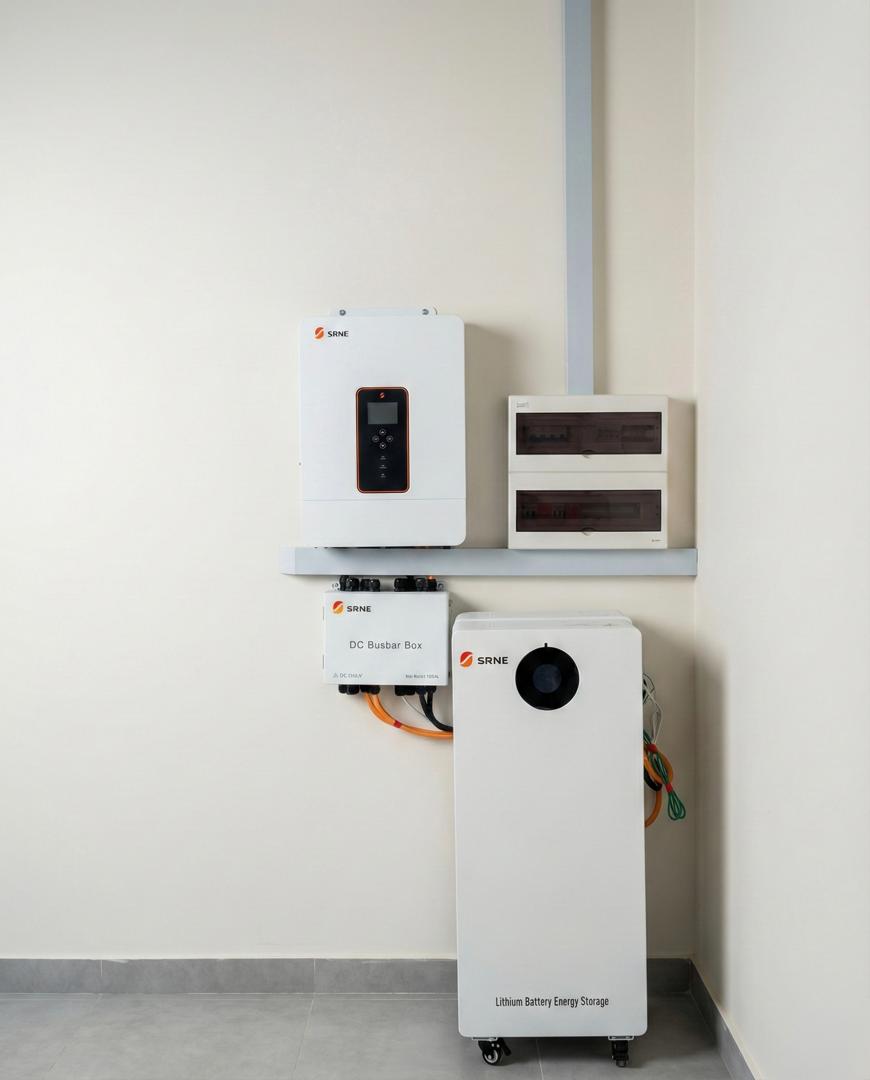
Since the fuel subsidy was removed, diesel has gone from being “the expensive backup” to being the single biggest line item on many Nigerian P&Ls. The question most businesses are now asking is simple: does replacing diesel with solar + battery actually save money over five years, or does it just shift the bill around?
The answer depends on four variables — generator runtime, fuel burn per kWh, load profile, and roof access. Below is the honest framework we use when modelling solar vs diesel for a Nigerian site.
The 4 variables that decide the switch
- Generator runtime. If you run a generator more than ~6 hours a day, your fuel bill dominates everything and solar + battery wins the TCO comfortably.
- Fuel burn per kWh. Diesel generators at mixed load burn ~0.25–0.35 litres per kWh. Oversized generators running at 20% load burn far more per useful kWh — one of the biggest hidden drains in Nigerian SMEs.
- Load profile. Daytime loads (shops, offices, factories operating 8–6) fit solar natively. Pure overnight loads need a larger battery to match.
- Roof access.Shaded or no-roof sites — basements, heavily shaded compounds, tenanted buildings without roof rights — can’t generate enough solar kWh to make the switch stand up.
Side-by-side cost structure (no naira figures)
Dropping specific currency amounts (which move with diesel prices and FX), here’s how the two options compare line by line over five years.
| Line item | Diesel generator (stay) | Solar + battery (switch) |
|---|---|---|
| Upfront capex | Already owned | One-time installation cost |
| Fuel over 5 years | Largest line item; scales linearly with runtime and diesel price | Near-zero for the solar portion; small residual for rare gen use |
| Scheduled maintenance | Oil, filters, injectors, overhaul | Occasional firmware update, panel cleaning, fan checks |
| Downtime | Fuel-sourcing, servicing, breakdowns | Silent, autonomous handover |
| Equipment replacement | Generator rebuild typically at year 6–8 | Battery still above 70% capacity at year 10 (quality LiFePO4) |
| FX / price exposure | Direct — every litre of diesel | Front-loaded at purchase; flat thereafter |
The gap is the fuel bill. Diesel scales with runtime and fuel price; solar does not. Once a business runs a generator more than a few hours a day, that gap dominates every other line item.
When solar does NOT win
- Short-outage sites. If your generator runs 1–2 hours a day as pure grid-backup, the fuel bill is low and payback stretches past 6 years. Solar may still win on comfort and silence, but the economic case thins.
- Shaded or no-roof sites.Multi-tenant basements, heavily shaded compounds, or sites with no viable mounting area can’t generate enough kWh to make the switch.
- Extreme peak loads with no load shifting.Welding shops, industrial compressors, and heavy motors with simultaneous start may need an oversized inverter that’s cheaper to leave on the generator for those few cycles.
Phased build-out: switching without full upfront capex
You do not have to replace all generator runtime on day one. A phased approach most Nigerian businesses use:
- Phase 1: Install hybrid inverter + a starter panel array + a modest battery. Covers roughly 50% of daytime load.
- Phase 2 (3–6 months): Add panels and battery modules as cashflow allows. Now covers 80%+.
- Phase 3 (year 2): Generator demoted to emergency-only.
Kommercial Solar designs every system to be expandable without swapping the inverter — see commercial & industrial solar.
Related reading
- Cost of solar in Nigeria: full price breakdown by system size
- Solar for small business in Nigeria: SME guide
- Is solar worth it after Band A? Band-by-band ROI
Frequently asked questions
Is solar actually cheaper than a diesel generator in Nigeria?
For most businesses running a diesel generator more than 6 hours per day, yes — solar + battery usually beats diesel on a 5-year total-cost-of-ownership (TCO) basis by a wide margin. The win is smaller for sites that run a generator only 1–2 hours a day as grid backup.
How long until solar pays back vs a generator in Nigeria?
Typical payback for a solar + battery system that replaces diesel runtime is 2.5 to 4 years for Nigerian businesses. Payback is faster when diesel runtime is higher and when the solar system is sized honestly against actual loads.
Why is diesel so expensive per kWh?
A diesel generator at mixed load burns roughly 0.25 to 0.35 litres of diesel per kWh produced. On top of fuel, you're paying for oil changes, filters, servicing, downtime for maintenance, and eventual rebuild or replacement. Solar's per-kWh cost over its lifetime is a fraction of that.
What about the noise and emissions of diesel generators?
Beyond cost, diesel generators create noise, heat, fumes, and maintenance disruption. Many Lagos estates, offices, clinics, and residential customers now cite peace-and-quiet and indoor-air quality as reasons for switching — not just the fuel bill.
Can I keep my generator as a backup?
Yes, and most Nigerian businesses do. The hybrid inverter switches between solar, battery, grid, and the generator. After a proper solar installation the generator becomes a rare-use backup, which extends its service life while almost zeroing your fuel bill.