Business
Solar for Small Business in Nigeria: An SME Decision Guide
A plain-language guide for Nigerian SMEs considering solar — load profiling, system sizing, financing options, and how to read your generator fuel bill as a solar readiness signal.
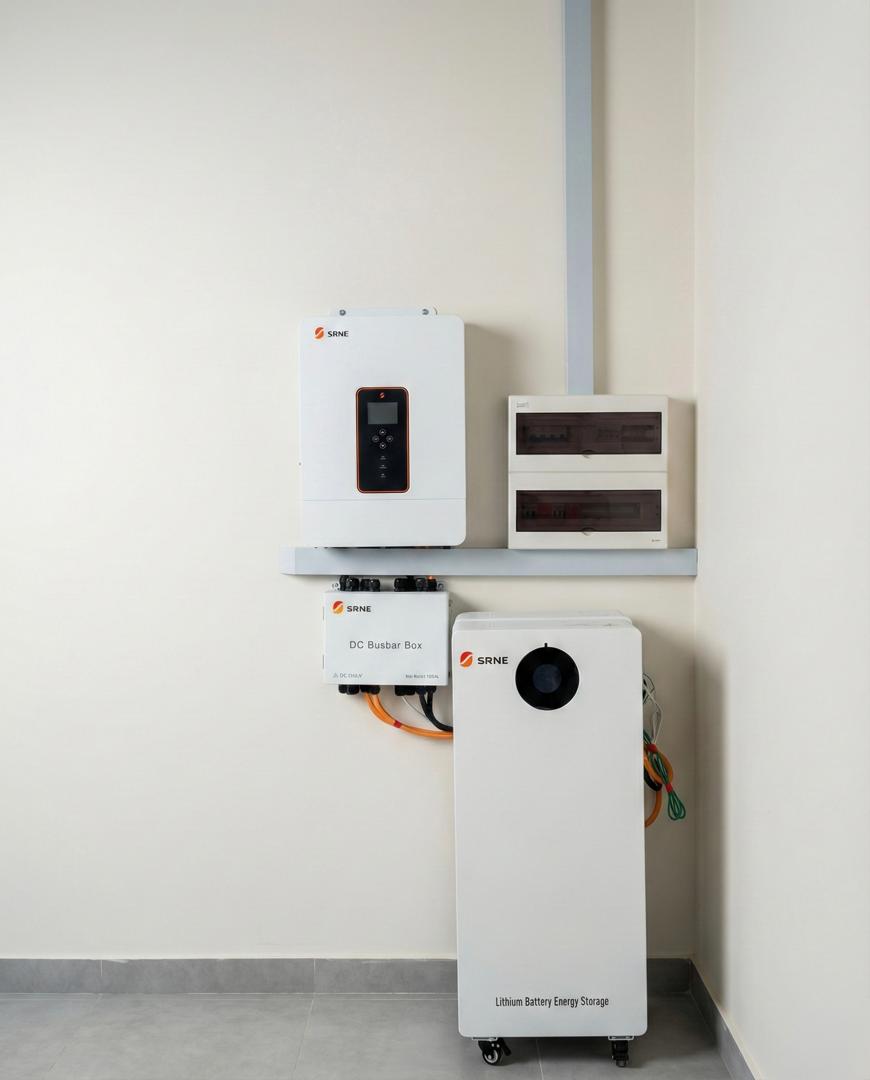
For a Nigerian SME in 2027, the diesel bill is usually the most visible operating-cost line on the P&L. The real question is not “is solar expensive?” — it’s “does my load profile make solar a serious replacement for what I’m already spending?’’ This guide walks through the framework we use with SMEs: load profile, system size, payback thinking, and the financing path.
Step 1 — Profile your load
Before any sizing, we ask three questions:
- What are your peak loads, and when do they run? Compressors, cold rooms, ACs, lifts, pumps — list them with running watts and run hours.
- How many hours per day does your generator run today? This is the fuel line you’re trying to kill.
- What is your daytime vs night load split? Daytime loads fit solar natively; night loads need battery capacity.
Step 2 — Size the system against actual loads
Nigerian installers often size against floor space or against the customer’s gut feeling. Both are wrong. The right method:
- Inverter kVA = peak simultaneous load with 20% headroom.
- Panel array kW= daytime energy demand ÷ Nigeria’s effective daily sun-hours (typically 4.5–5.5), plus losses.
- Battery kWh = overnight load × hours of autonomy ÷ depth-of-discharge headroom.
See the cost structure guide for how these line items hit the quote.
Step 3 — Read the payback honestly
The honest payback framework is in solar vs diesel generator. Short version: if diesel is a meaningful monthly line item, solar + battery usually pays back in 2.5–4 years. If diesel is tiny, payback stretches and solar may not be the right move yet.
Step 4 — Choose the financing path
| Path | When it fits | Trade-off |
|---|---|---|
| Direct CAPEX | You have cash available and want the cheapest lifetime cost | Full upfront outlay |
| Phased build-out | Tight cashflow, growing business | Full savings only at phase 3 |
| Lease-to-own | Large C&I projects; cashflow preservation is the goal | FX-linked repayment, higher total cost |
Step 5 — Install, commission, monitor
A professional installation ends with: a commissioning report, monitoring access on your phone, named warranty certificates for every component, and a service agreement with scheduled maintenance. If any of those are missing, the installation is not complete.
Who we work with
- Retail shops and supermarkets
- Boutique hotels and short-lets
- Clinics and diagnostic labs
- Offices and co-working spaces
- Light manufacturing and workshops
- Mosques, churches, schools, estates
- Logistics depots and cold rooms
Related reading
- Commercial & industrial solar at Kommercial
- Solar vs diesel generator: the payback framework
- Hybrid solar explained: solar + battery + grid + generator
Frequently asked questions
What size solar system does a small business need?
It depends on the load profile, not the floor space. A small office with 10–15 people, LED lights, laptops, and two ACs typically fits a 10–15kVA system. A retail shop with freezers, display lighting, and one AC might land around 7.5–10kVA. A small factory with motor loads usually starts at 20kVA.
How do I know my business is ready for solar?
The most honest readiness signal is your monthly generator fuel bill. If diesel or petrol is a visible line item on your P&L every month, solar + battery will almost always beat it over a 3–5 year horizon. If you barely run a generator, the payback case is thinner and depends on your tariff band.
Can I keep my generator and still install solar?
Yes — and most Nigerian businesses do. The hybrid inverter switches between solar, battery, grid, and generator automatically. After installation the generator becomes a rare-use backup, which extends its lifespan while almost zeroing your fuel bill.
What financing options exist for commercial solar in Nigeria?
Direct CAPEX purchase is the cheapest long-run option. Phased build-out — start smaller and expand — is how most SMEs manage cashflow. Lease-to-own structures exist for larger projects but carry FX-linked repayment terms. We help you choose based on your cash flow pattern.
How long does commercial solar installation take?
A standard SME installation takes 1–3 weeks from site assessment to commissioning. Larger C&I projects with grid-tie protection design can take 6–10 weeks because of utility coordination and estate approvals.