Buying guide
The Nigerian Solar Inverter Guide: Hybrid, Off-Grid, and On-Grid Explained
What hybrid, off-grid, and on-grid inverters actually do in a Nigerian context — where generator input matters, how transfer times affect your fridge, and the brands that hold up.
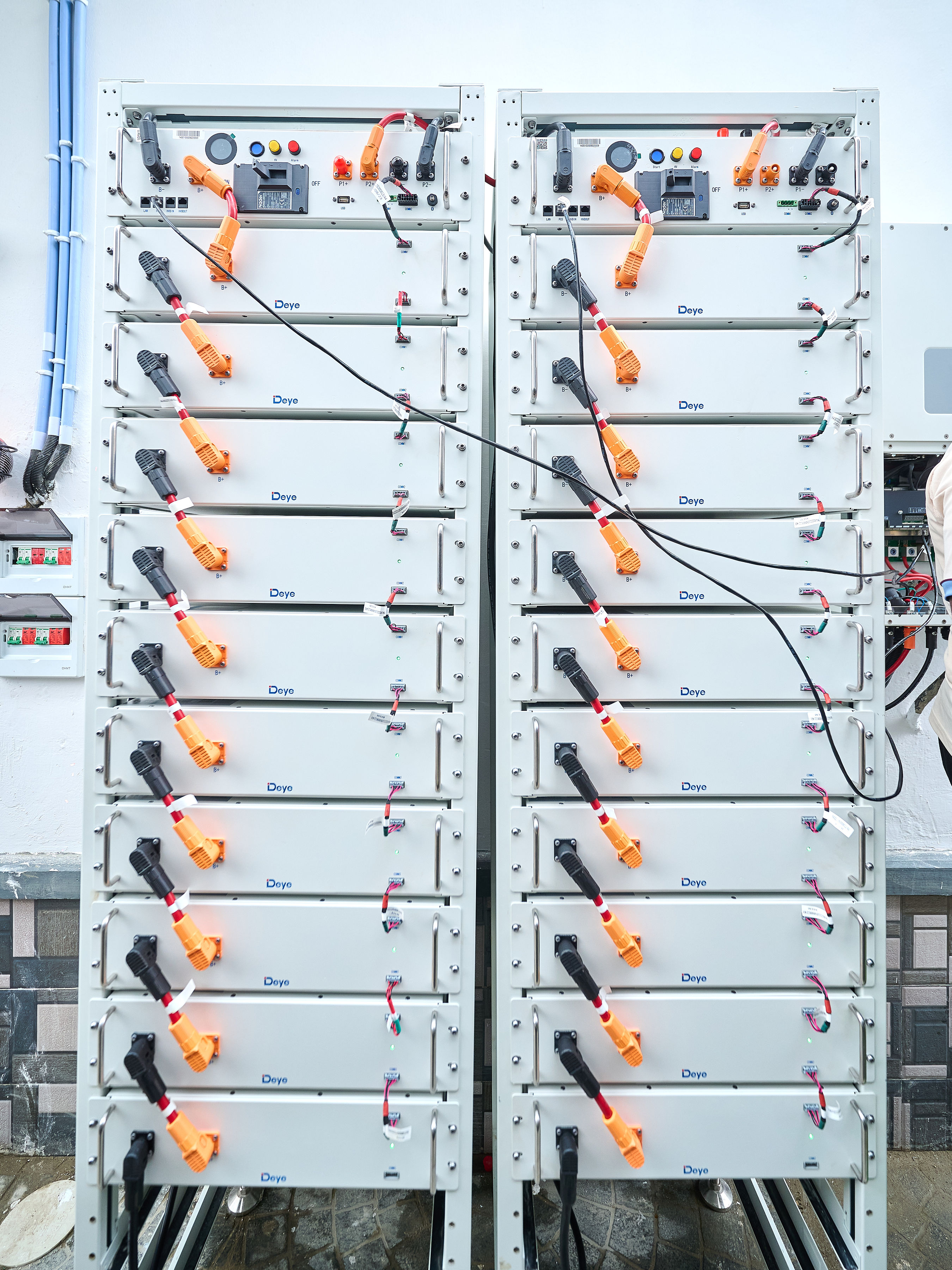
The inverter is the brain of a solar installation. Pick the wrong type and the system fights with your generator, trips on grid surges, or shuts down the moment the grid goes out. Here’s a plain-language guide to the three inverter architectures and why hybrid is the Nigerian default.
The three inverter architectures
On-grid (grid-tie)
- Feeds solar power to loads; exports surplus to the grid.
- Shuts down when the grid is down (anti-islanding).
- No battery, no generator input.
- Best for: sites with 24/7 reliable grid — rare in Nigeria.
Off-grid
- Runs loads from solar + battery, with no grid involvement.
- Cannot work with the utility grid, even when it’s available.
- Best for: remote sites genuinely off the grid.
- Wasteful in cities where the grid is sometimes available.
Hybrid — the Nigerian default
- Runs loads from solar + battery first.
- Pulls from grid when solar + battery insufficient.
- Accepts generator input as a fourth source.
- Fast transfer (sub-20ms) between sources.
- Best for: almost every residential and commercial Nigerian site.
What matters when picking a hybrid inverter for Nigeria
- Generator input (AC input tolerance).Nigerian generators swing in voltage and frequency. A hybrid inverter must accept a wide generator window without tripping. This is where cheap imported inverters fail — they reject “dirty” Nigerian gen output and run flat on battery instead.
- Transfer time. Sub-20ms is the quality bar. Anything slower can cause fridge compressor hiccups and reboot Wi-Fi routers every switch.
- MPPT count. One MPPT per roof face or shade zone. Mis-matched strings on a single MPPT cost you yield.
- Peak surge capability. Motor loads (pumps, ACs) draw 2–3× their running watts at start-up. A hybrid inverter rated for 2.5× surge for 3–5 seconds handles Nigerian mixed loads cleanly.
- Battery compatibility.The inverter’s BMS communication protocol must match the battery’s. Mismatched protocols produce a “working” system that silently overcharges and kills your battery in year 2.
- Local service presence. The best inverter brand is the one with warranty support available in Lagos. We factor that into every spec.
Inverter sizing rules of thumb
- Inverter kVA ≈ peak simultaneous running load + 20% headroom.
- Oversizing by more than 50% is a waste of money; undersizing by any amount is a system that trips in the evening.
- Hybrid inverters typically pair with batteries of 1× to 2× the inverter’s kVA rating in kWh.
Common inverter mistakes we see on Nigerian sites
- Oversized inverter, undersized battery.The system looks powerful on paper but can’t hold overnight loads.
- No generator input wiring. Installer skipped it to save a day of labour; owner now runs generator in parallel, risking inverter damage.
- Mis-matched battery protocol.Battery and inverter are both quality brands but don’t speak the same BMS language.
- Single MPPT across two roof orientations. Yield losses that look like degradation but are a design error.
Related reading
- Hybrid solar explained: how the four sources cohabitate
- Lithium batteries: sizing to your inverter correctly
- Counterfeit inverters: how to verify yours is genuine
Frequently asked questions
What's the difference between hybrid, off-grid, and on-grid inverters?
An on-grid (grid-tie) inverter feeds solar power to loads and exports surplus to the grid but shuts down when the grid is down. An off-grid inverter runs loads from solar + battery with no grid interaction. A hybrid inverter does both: it works with the grid when it's there, runs on battery when the grid is down, and most importantly accepts generator input — the Nigerian essential.
Which inverter type is right for Nigeria?
Hybrid, in almost every case. Nigerian sites need to switch between solar, battery, grid, and generator — that's exactly what a hybrid inverter is designed for. On-grid-only inverters make sense only when the grid is reliable enough that generator backup is irrelevant, which is a small segment of the Nigerian market.
What is a transfer time, and does it matter?
Transfer time is how long the inverter takes to switch between power sources (grid-down to battery, for example). Milliseconds matter for sensitive equipment — servers, medical devices, modern fridges with inverter compressors. A quality hybrid inverter switches in under 20ms, fast enough that nothing notices.
What is an MPPT and how many do I need?
MPPT (maximum power point tracker) is the inverter's solar-input stage that optimises panel output. Each MPPT can handle one string of panels; separate roof orientations or shade zones need their own MPPT. For most Nigerian homes, 2 MPPTs is comfortable; larger systems with multiple roof faces benefit from 3–4.
Which inverter brands do you work with in Nigeria?
We specify from established hybrid-inverter manufacturers with Nigerian service presence — picking the specific brand per project based on size, load profile, grid quality at the site, and spare-parts availability in Lagos. We don't resell a single brand; we spec the right one for the job.